Pittsburgh Historical Masonry Restoration - Graciano
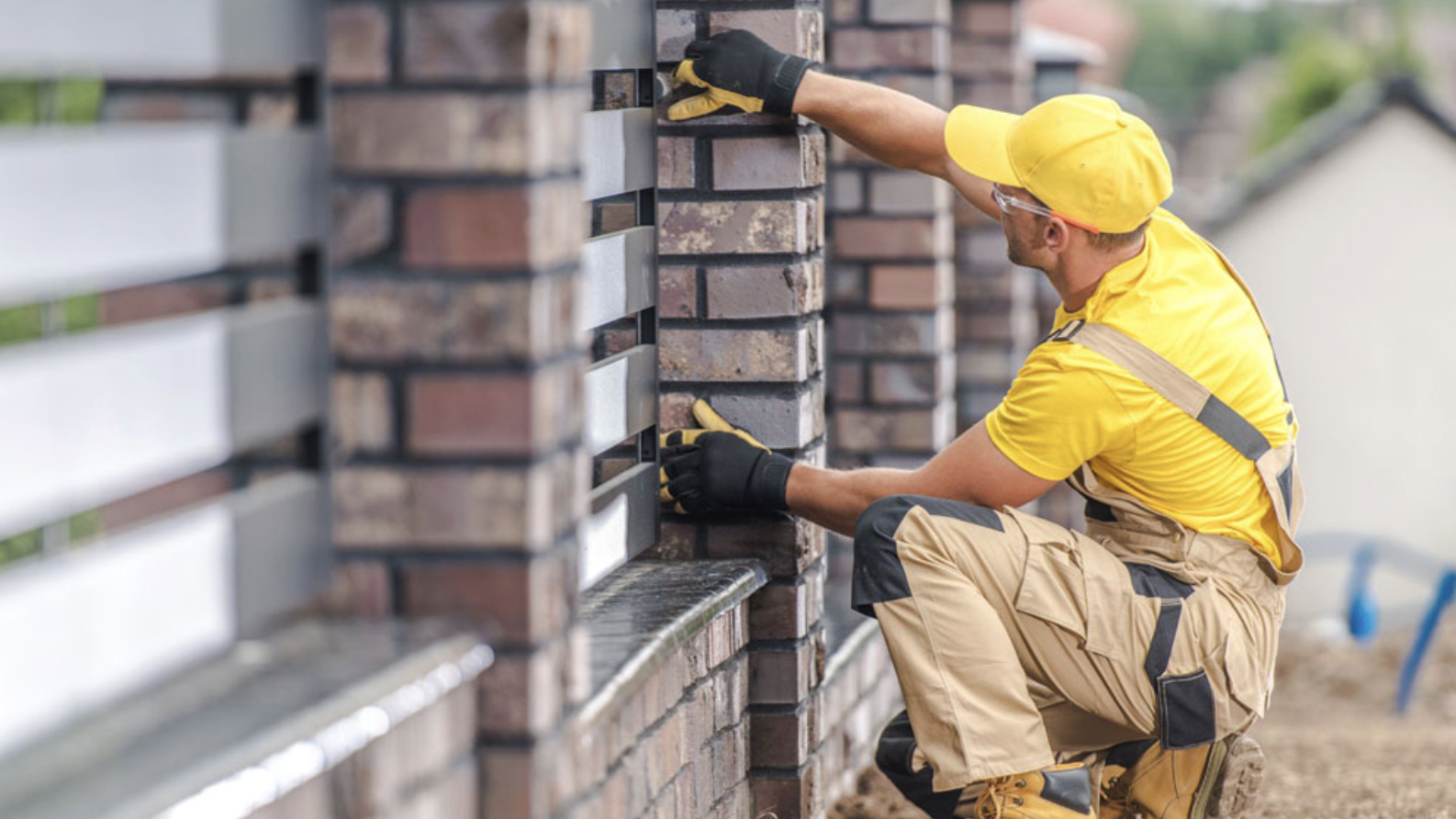
Pittsburgh is full of buildings that carry history in every brick and stone—classic row homes, old commercial storefronts, churches, schools, and heritage properties that simply can’t be replaced with modern materials and still feel the same. When mortar starts crumbling, bricks loosen, or water finds its way into the walls, it doesn’t just threaten curb appeal. It threatens the integrity of the entire structure.
If you’re searching for historic masonry restoration services Pittsburgh, you’re likely trying to protect a property that matters—one with character, craftsmanship, and decades (or even centuries) of life already built into it. The goal isn’t to “make it new.” The goal is to restore it with care, using methods that respect the original materials and keep the building strong for the next generation.
For a local resource on historic restoration work in the area, you can reference:
http://dlvr.it/TRbzld
http://dlvr.it/TRbzld
Why Historic Masonry Restoration Matters in Pittsburgh
Historic masonry was built differently than today’s construction. Older brick and stone structures often rely on breathable wall systems—meaning moisture needs a safe way to evaporate out. When the wrong mortar, coatings, or repair methods are used, moisture can get trapped inside the wall. That’s when bricks begin to spall, mortar joints fail faster, and interior damage starts showing up.
Pittsburgh’s weather adds another layer of stress. Freeze-thaw cycles expand moisture in tiny cracks and joints, gradually widening them until the wall begins to deteriorate. Restoration done correctly prevents that cycle from continuing.
Common Signs Your Historic Brick or Stone Needs Restoration
Historic buildings often “whisper” before they shout. Look for:
Mortar joints that are cracking, powdery, or missing
Stair-step cracks along brick lines
Loose or shifting brick and stone
Spalling brick (flaking or crumbling faces)
White staining on the surface (efflorescence)
Water spots inside, damp plaster, or musty odors
Rust staining above windows or doors (lintel issues)
Chimney leaning, cracking, or crown deterioration
Even one of these symptoms can indicate a moisture path or structural movement that deserves attention.
What Historic Masonry Restoration Services Can Include
Restoration isn’t one single service—it’s a strategic set of repairs designed to stabilize the building, stop water intrusion, and preserve original detail.
Repointing and Tuckpointing
Old mortar is meant to wear down over time. When it does, it must be removed and replaced with a compatible mortar mix that matches the original in strength, color, and joint style. This is one of the most important parts of restoring historic masonry, because the wrong mortar can damage the brick itself.
Brick Replacement and Selective Rebuilds
When bricks are too far gone—cracked, spalled, or loose—careful replacement using matching brick keeps the wall sound while maintaining the original look. Selective rebuilds can reinforce areas that have shifted without tearing down the entire façade.
Stone Restoration and Resetting
Stone elements around foundations, entryways, windowsills, and decorative features can shift or crack over the years. Restoration may include resetting loose pieces, repairing damage, and blending repairs so the historic appearance stays intact.
Chimney Restoration
Chimneys are often the first area to show serious deterioration. Historic chimney restoration may involve repointing, brick replacement, crown repair, flashing correction, and stabilization to prevent future water intrusion.
Lintel Repair and Structural Support
Rusting steel lintels can expand and push masonry outward, causing cracks and bulges. Correct restoration addresses the steel issue and repairs surrounding masonry to prevent the problem from repeating.
Breathable Waterproofing
Historic masonry needs protection from water without being sealed like paint. Breathable, penetrating water repellents can help reduce absorption while allowing the wall to release moisture naturally.
Historic Restoration Is About Matching Materials—Not Forcing Modern Ones
A major difference between basic masonry repair and true historic restoration is material compatibility. Historic brick is often softer than modern brick. That means:
Mortar must be correctly matched so the brick isn’t forced to take stress
Cleaning methods must be gentle enough not to damage surfaces
Repairs must blend in visually and structurally
The building must be allowed to breathe to avoid trapped moisture
When restoration is done with the right approach, the results look natural—and last.
Protect the Legacy of Your Pittsburgh Property
Choosing historic masonry restoration services Pittsburgh is about more than maintenance. It’s about protecting something valuable—your property, your investment, and the craftsmanship that made the building worth owning in the first place.
If your brick or stone is showing signs of aging, the best time to act is before small deterioration becomes structural damage. Historic masonry can absolutely be restored beautifully and responsibly—when it’s approached with experience, care, and respect for the original build.
http://dlvr.it/TRbzld


Comments
Post a Comment