Pittsburgh Historical Masonry Restoration - Graciano
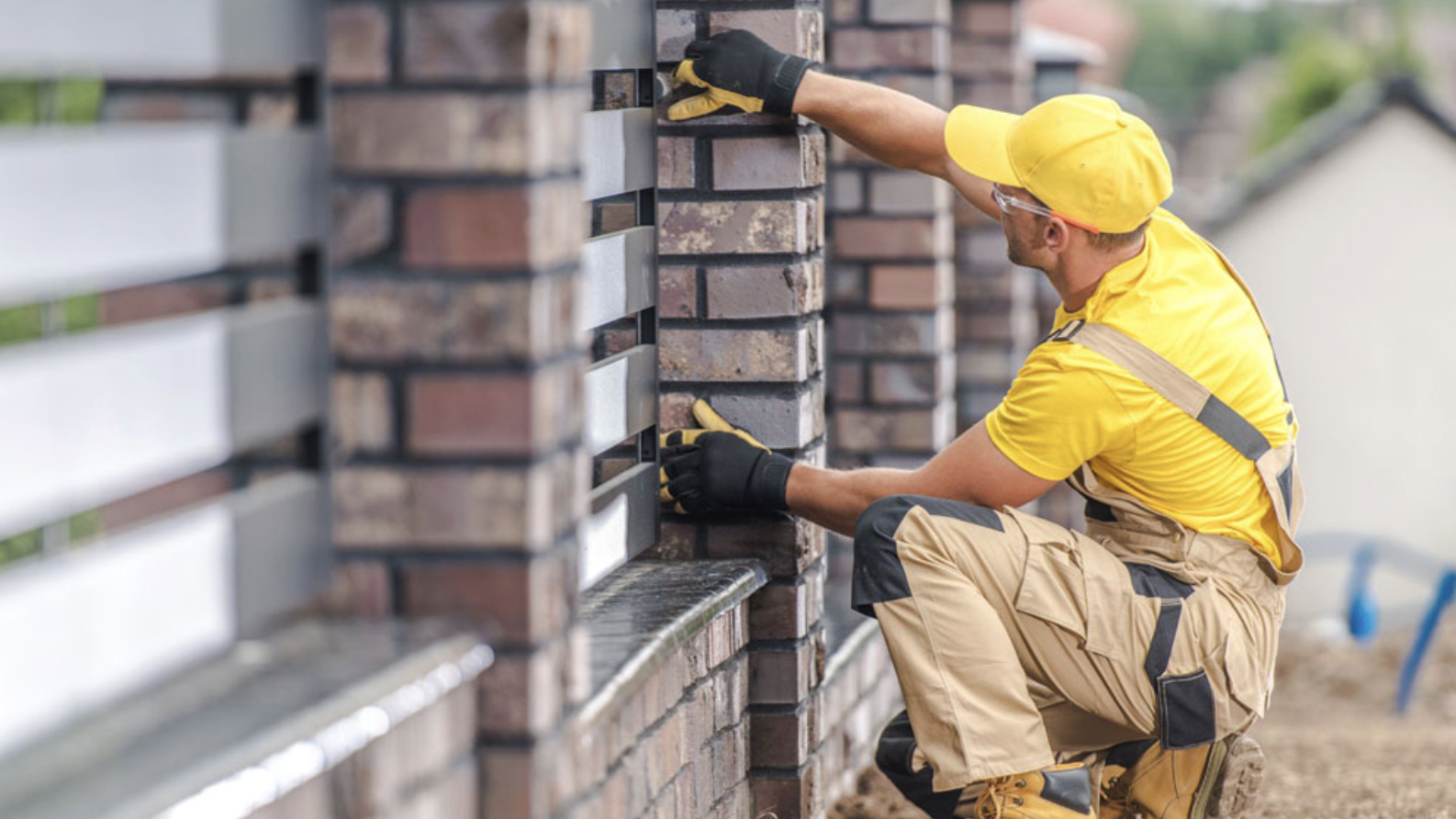
Pittsburgh buildings have a look you can’t fake—those classic brick facades, stone details, and historic masonry features that give neighborhoods their charm. The problem is, time, weather, and moisture don’t care how beautiful a building is. Freeze-thaw cycles, shifting foundations, water intrusion, and aging mortar slowly start pulling masonry apart—usually in ways you don’t notice until the damage is expensive.
If you’ve been searching for masonry restoration Pittsburgh, you’re probably seeing signs that something’s changing: cracking mortar lines, loose brick, spalling (where the face of the brick flakes off), leaning walls, efflorescence (white chalky staining), or water showing up inside where it shouldn’t.
Masonry restoration isn’t just about making a building “look better.” It’s about stabilizing what you already have, protecting it from water damage, and extending the life of the structure—without stripping away the original character.
What Masonry Restoration Really Means (And Why It Matters in Pittsburgh)
A lot of people hear “restoration” and think it’s cosmetic. True restoration is structural preservation and weather protection, done in a way that respects the original materials.
In Pittsburgh, this matters even more because moisture is a constant opponent. Once water gets behind brick or stone, it expands when it freezes. That expansion creates pressure. That pressure creates cracking, spalling, and shifting. Over time, that’s how small mortar issues become major structural problems.
Masonry restoration addresses those vulnerabilities before they turn into full rebuilds.
Common Signs You Need Masonry Restoration in Pittsburgh
If you see any of these, your building is telling you it’s time:
Mortar joints crumbling or missing (you can scrape it out with your finger or a key)
Cracked or stair-step cracking in brick
Spalling brick or stone (flaking, crumbling faces)
Loose, shifting, or bulging brick
White staining (efflorescence) that keeps returning
Interior leaks, damp walls, or musty smells
Rust staining around lintels or steel angles
Failed caulking around windows/doors near masonry surfaces
You don’t need all of these to have a serious issue. Sometimes one or two visible symptoms point to a larger moisture path.
Masonry Restoration Pittsburgh Services That Actually Solve the Problem
A proper restoration plan usually combines several targeted repairs—not a one-size-fits-all patch job. Here are the most common services involved in masonry restoration:
1) Tuckpointing and Repointing (Done the Right Way)
This is one of the biggest make-or-break items. Mortar is supposed to be the “sacrificial” component—meaning it should wear out before the brick does. When mortar fails, it allows moisture in, and then the brick starts to fail.
Repointing (sometimes called tuckpointing) removes deteriorated mortar and replaces it with new mortar that matches the original in strength, color, and profile. Matching matters—because the wrong mortar can trap moisture and cause brick to spall faster.
2) Brick Replacement and Brick Stitching
When brick faces have deteriorated or sections have loosened, selective brick replacement keeps the wall sound without tearing everything down. If cracking is present, stitching techniques may be used to stabilize the wall and prevent cracks from spreading.
3) Stone Repair and Stone Resetting
Stone features can shift or crack over time, especially around entryways, sills, and decorative details. Restoration might include resetting loose stone, patch repairs, or replacing damaged sections while keeping the original look intact.
4) Chimney Masonry Restoration
Chimneys take a beating. They’re exposed on all sides, and they usually show damage first—open joints, spalling, leaning, and crown failures. Chimney restoration often includes repointing, brick replacement, crown repair, and waterproofing.
5) Lintel Repair and Rust Management
That rust staining above windows is often a warning sign. Steel lintels can expand as they rust, which pushes brick outward and causes cracking. A quality restoration approach addresses both the steel and the surrounding masonry so the problem doesn’t repeat.
6) Waterproofing That Still Lets the Wall Breathe
Good masonry waterproofing isn’t paint. It’s typically a breathable, penetrating treatment that reduces water absorption while allowing vapor to escape. That “breathability” is a big deal for older Pittsburgh masonry—because trapping moisture inside the wall can accelerate damage.
Why Cheap Masonry Patching Usually Fails
If you’ve ever had someone smear mortar over cracks or “spot fix” random joints, you already know the frustration: it looks okay for a season, then everything returns.
The common reasons quick patches fail:
The underlying moisture path wasn’t addressed
Mortar wasn’t properly matched (too hard, too soft, wrong mix)
Not enough deteriorated mortar was removed
Joints weren’t compacted/tooled correctly
Waterproofing was done incorrectly (sealed too tightly or coated like paint)
Masonry restoration Pittsburgh work is one of those areas where craftsmanship and correct materials matter just as much as effort.
Historic Masonry Restoration in Pittsburgh: Extra Care, Same Goal
Historic buildings are not built the same way modern buildings are. They typically require:
Gentler cleaning methods (to avoid surface damage)
Mortar matching (strength, color, sand composition, joint profile)
Repair strategies that preserve original detail
A plan that prioritizes stabilization over replacement
If you’re dealing with an older home, church, multi-family building, or classic commercial structure, restoration should protect the history—not erase it.
For more information on historic-focused masonry restoration in the area, here’s a resource you can reference:
http://dlvr.it/TRYrkD
http://dlvr.it/TRYrkD
What to Expect During a Masonry Restoration Project
A solid restoration process usually looks like this:
Inspection & diagnosis (what’s cosmetic vs. structural, where moisture is coming from)
Scope definition (what repairs solve the root problem, what can wait)
Material matching (especially mortar and brick)
Protection & prep (access, safety, containment, protecting landscaping and surfaces)
Repair work (repointing, replacement, stabilization, lintel/crown repairs, etc.)
Final detailing (joint finishing, cleanup, sealant where appropriate)
Optional waterproofing (breathable, masonry-appropriate)
The best outcomes happen when the plan is built around the building—not forced onto it.
Choosing the Right Masonry Restoration Contractor in Pittsburgh
When you’re getting estimates, ask questions that reveal whether they understand restoration or just basic masonry:
Will you match the mortar strength and profile to the existing joints?
How deep will you remove deteriorated mortar before repointing?
How will you address water intrusion and moisture pathways?
Do you replace damaged brick with a match (size, texture, color)?
What methods do you use for cleaning (and what do you avoid)?
How do you handle rusting lintels or structural movement?
A trustworthy contractor will welcome these questions and explain the “why,” not just the “what.”
Final Thought: Restoration Is an Investment in the Structure You Already Own
When done correctly, masonry restoration Pittsburgh work does more than improve curb appeal—it protects your property from water damage, preserves the building’s integrity, and helps you avoid bigger structural repairs down the road.
If you’re seeing cracks, loose brick, spalling, or moisture signs, the smartest move is to address it early—while the solution is still restoration, not reconstruction.
And if historic masonry is part of your property’s identity, use this as a reference point for what quality restoration should look like:
http://dlvr.it/TRYrkD


Comments
Post a Comment