Pittsburgh Masonry Restoration - Graciano
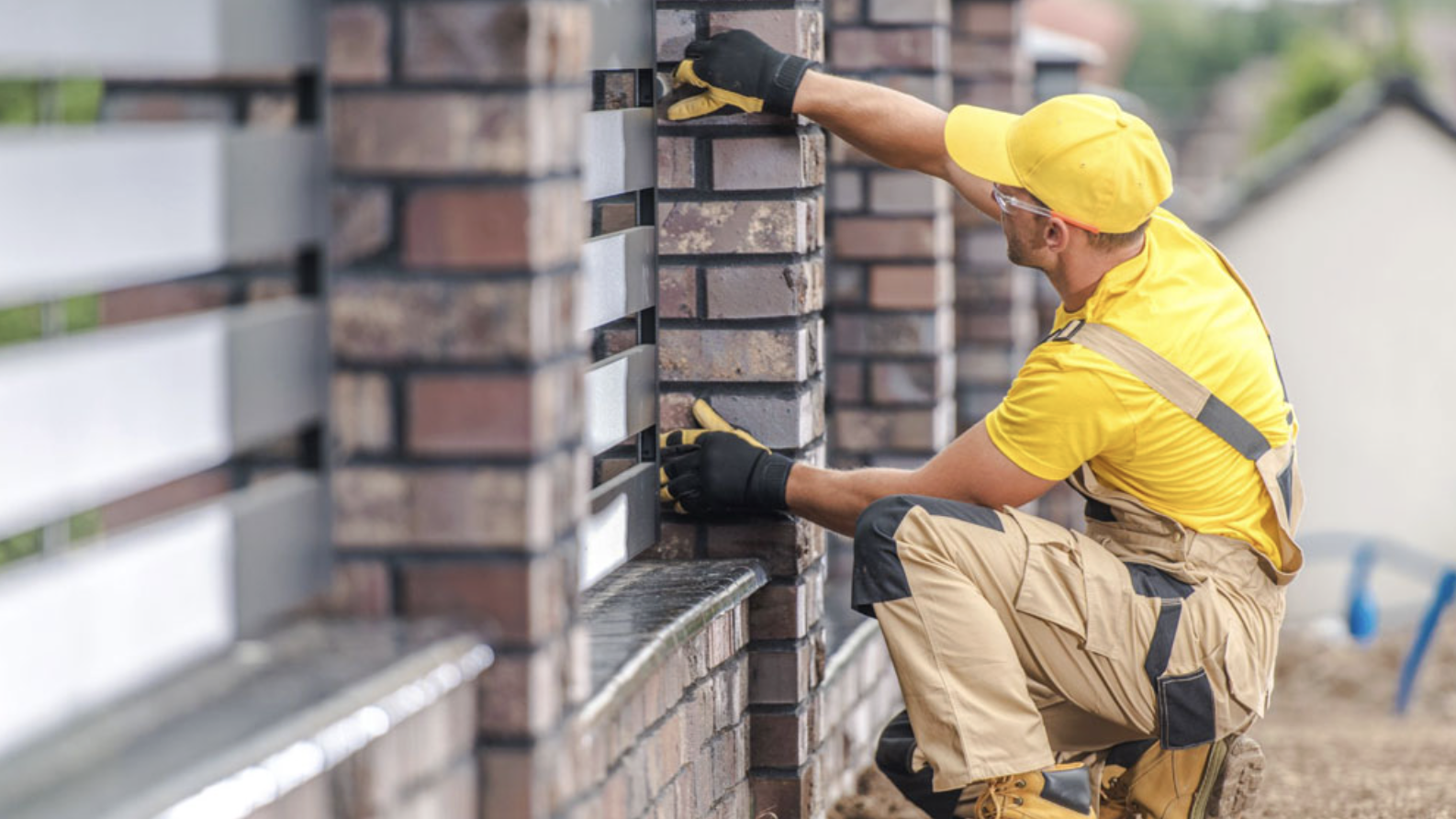
Pittsburgh is a city built on grit, craftsmanship, and enduring architecture. From historic brick row homes to industrial-era commercial buildings and modern masonry structures, brick and stone are woven into the identity of the region. Over time, however, even the strongest masonry systems face wear from weather, age, pollution, and structural movement. That’s where Pittsburgh Masonry Restoration becomes essential—not just for appearance, but for safety, longevity, and property value.
Masonry restoration is not about replacing history. It’s about preserving it while ensuring structures remain structurally sound and resilient for decades to come. In a city with freeze-thaw cycles, heavy rain, and aging infrastructure, proactive restoration makes all the difference.
Why Pittsburgh Masonry Restoration Matters
Pittsburgh’s climate is particularly demanding on masonry. Seasonal temperature swings cause bricks and mortar to expand and contract repeatedly. Over time, this movement leads to cracking, mortar erosion, moisture infiltration, and eventual structural instability if left unaddressed.
Masonry restoration protects buildings by:
Preventing water intrusion and internal damage
Reinforcing structural integrity
Preserving historical character and architectural detail
Extending the lifespan of brick and stone systems
Maintaining compliance with safety standards and building codes
Without proper restoration, minor masonry issues can escalate into major repairs that are significantly more expensive and disruptive.
Common Masonry Problems in Pittsburgh Buildings
Understanding the most frequent masonry issues helps property owners recognize when restoration is needed.
Mortar Deterioration
Mortar is designed to be softer than brick, allowing it to absorb stress. Over time, weather exposure causes mortar to erode, crack, or wash out. When mortar fails, bricks lose support and become vulnerable to movement and water damage.
Cracked or Spalling Brick
Moisture trapped inside brick expands during freezing temperatures, causing the brick face to break apart—a condition known as spalling. This not only affects appearance but compromises structural integrity.
Water Penetration
Improper flashing, deteriorated mortar joints, or cracked masonry allow water to penetrate walls. This can lead to interior damage, mold growth, and corrosion of embedded steel components.
Structural Shifting
Older buildings may experience settlement or movement that causes masonry cracking. These issues require expert evaluation to ensure the structure remains safe.
What Professional Pittsburgh Masonry Restoration Involves
True masonry restoration goes far beyond surface-level repairs. It requires skilled assessment, historically appropriate materials, and precise craftsmanship.
Tuckpointing and Repointing
Damaged mortar is carefully removed and replaced with new mortar that matches the original composition, color, and strength. This restores both appearance and structural performance.
Brick and Stone Replacement
When masonry units are too damaged to repair, individual bricks or stones are replaced to maintain uniformity and stability.
Cleaning and Surface Restoration
Gentle, non-damaging cleaning methods remove years of grime, pollution, and biological growth without harming the masonry surface.
Waterproofing and Sealants
Breathable masonry sealants help repel water while allowing trapped moisture to escape, preventing future deterioration.
Structural Masonry Repair
For load-bearing walls and critical structural elements, restoration may involve reinforcement, stabilization, or rebuilding sections of masonry.
Historic Masonry Restoration in Pittsburgh
Pittsburgh is home to countless historic structures that require specialized restoration approaches. Historic masonry must be treated with care to maintain authenticity while meeting modern performance standards.
Key considerations include:
Matching original mortar composition (often lime-based rather than modern cement)
Preserving architectural details and craftsmanship
Avoiding harsh cleaning methods that damage historic brick
Ensuring compliance with local historic preservation guidelines
Improper repairs using modern materials can actually accelerate damage in older buildings, making experienced masonry restoration professionals essential.
Residential vs. Commercial Masonry Restoration
Residential Properties
Homeowners benefit from masonry restoration by improving curb appeal, preventing moisture issues, and protecting long-term property value. Chimneys, foundations, retaining walls, and brick facades are common restoration areas.
Commercial and Industrial Buildings
Commercial structures face higher exposure to environmental stress and usage. Masonry restoration ensures safety for occupants, protects assets, and maintains professional appearance—especially important for retail, hospitality, and multi-tenant properties.
When to Schedule Pittsburgh Masonry Restoration
Ignoring masonry problems rarely saves money. Early intervention is key. Signs it’s time to consult a masonry restoration professional include:
Crumbling or missing mortar
Visible cracks in brick or stone
White staining (efflorescence)
Bulging or leaning walls
Water leaks or damp interior walls
Loose or falling masonry units
Addressing these issues promptly helps prevent structural damage and costly emergency repairs.
Choosing the Right Pittsburgh Masonry Restoration Partner
Masonry restoration is a skilled trade that demands experience, precision, and respect for the original structure. The right partner will:
Conduct a thorough assessment before recommending repairs
Use materials compatible with existing masonry
Employ trained craftsmen—not general laborers
Prioritize long-term durability, not temporary fixes
Provide transparent timelines and expectations
For property owners seeking dependable expertise, this resource provides detailed information about professional masonry services in the region:
http://dlvr.it/TQjNMj
The Long-Term Value of Masonry Restoration
Well-executed masonry restoration is an investment in stability, safety, and heritage. Restored masonry structures not only last longer but also retain their architectural significance and market value.
In a city like Pittsburgh—where history and progress stand side by side—masonry restoration ensures buildings continue telling their story while meeting the demands of modern life.
Whether preserving a historic landmark or reinforcing a contemporary structure, Pittsburgh Masonry Restoration plays a vital role in keeping the city’s buildings strong, functional, and visually enduring for generations to come.


Comments
Post a Comment